Buy qhv.eu ?
We are moving the project
qhv.eu .
Are you interested in purchasing the domain
qhv.eu ?
domain@kv-gmbh.de · 0541-91531010
Buy qhv.eu ?
What are neutrons exactly?
Neutrons are subatomic particles that are found in the nucleus of an atom, along with protons. They have a neutral charge, meaning they do not have a positive or negative charge like protons and electrons. Neutrons help to stabilize the nucleus of an atom and are crucial in determining the stability and properties of an element. They play a key role in nuclear reactions and are essential for the formation of isotopes. **
Which material conducts neutrons?
Neutrons are commonly conducted by materials such as water, heavy water (deuterium oxide), graphite, and certain types of metal. These materials are used in various applications, including nuclear reactors, neutron scattering experiments, and neutron detection devices. The ability of these materials to conduct neutrons is essential for their use in these applications. **


Similar search terms for Neutrons
Top-Angebote
Products related to Neutrons:
-
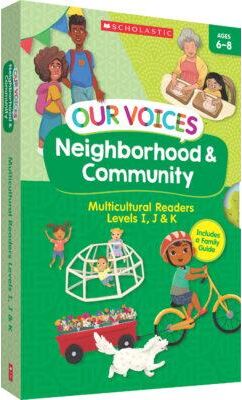
Our Voices: Neighborhood & Community Boxed SetFoster a feeling of belonging while building key reading skills with these colorful storybooks that spotlight a variety of neighborhoods and communities. The 10 charming stories feature characters from different cultural backgrounds who learn about...32,37 $*Shipping: 0,00 $Secure redirect to the provider
-
Sesderma Reti Age 5 Liposomal Serum Anti-Aging Innovation 30mLA facial serum for wrinkles and signs of ageing. Reduces wrinkles and fine lines. Hydrates and strengthens barrier. Restores youthful radiance. 5-Retinoid System: smooths wrinkles, accelerates renewal, and boosts collagen. Biomimetic Peptides: fill expression lines by stimulating collagen synthesis.53,26 £*Shipping: 5,22 £Secure redirect to the provider
-
Aster Live Well Every Day by Dr Alex George - No.1 Sunday Times Bestselling Paperback Wellness Guide - Daily Habits for Health, Energy & Resilience - AgesDiscover a practical guide to building healthier daily habits with Dr Alex George's 'Live Well Every Day'. This No.1 Sunday Times bestselling book provides a personalized toolkit of habits to improve energy and wellbeing. Written by a physician and former UK Youth Mental Health Ambassador, it covers nutrition, movement, sleep, and mindset. Dr Alex encourages readers to make small, sustainable changes to their daily routine, rather than following a rigid plan. By focusing on steady, cumulative improvements, you can take control of your health and wellbeing. This paperback book is a valuable resource for anyone looking to make positive changes to their lifestyle.6,99 £*Shipping: 2,99 £Secure redirect to the provider


-
Which element has 12 neutrons?
The element with 12 neutrons is carbon, which has an atomic number of 6. **
-
How do neutrons enter isotopes?
Neutrons enter isotopes through a process called neutron capture. Neutron capture occurs when a neutron is absorbed by the nucleus of an atom, resulting in the formation of a new isotope. This process can change the atomic mass of the isotope without affecting its chemical properties. Neutron capture plays a crucial role in nuclear reactions and the formation of heavy elements in stars. **
-
Do neutrons attract each other?
Neutrons do not have an electric charge, so they do not experience the electromagnetic force that would cause them to attract or repel each other. However, neutrons are subject to the strong nuclear force, which is attractive and acts between nucleons (protons and neutrons) in the atomic nucleus. This force helps to bind neutrons and protons together in the nucleus, overcoming the electrostatic repulsion between protons. **
-
How do you calculate neutrons?
Neutrons can be calculated by subtracting the atomic number (number of protons) from the atomic mass of an atom. The atomic mass is the sum of the number of protons and neutrons in the nucleus. Therefore, by subtracting the atomic number from the atomic mass, you can determine the number of neutrons present in the atom. This calculation is important in understanding the stability and properties of different isotopes. **


What are protons and neutrons?
Protons and neutrons are subatomic particles found in the nucleus of an atom. Protons have a positive electrical charge, while neutrons have no electrical charge, making them neutral. Together, protons and neutrons make up the majority of an atom's mass. They are crucial for determining the identity of an element and are involved in the strong nuclear force that holds the nucleus together. **
What is the number of neutrons?
The number of neutrons in an atom is determined by subtracting the atomic number (number of protons) from the atomic mass. Neutrons are neutral particles found in the nucleus of an atom along with protons. They help stabilize the nucleus and contribute to the overall mass of the atom. The number of neutrons can vary for different isotopes of the same element. **
Top-Angebote
Products related to Neutrons:
-
Pan Make Brilliant Work: Lessons on Creativity, Innovation and Success by Rod Judkins - Paperback - Self-Help/Business Creativity Guide, Author ofMake Brilliant Work is an inspiring guide by Rod Judkins, drawing on the real-life stories of visionaries from Frida Kahlo to Steve Jobs. This paperback book reveals the methods and mindsets that turn ordinary effort into extraordinary results. Judkins proves that talent alone never guaranteed success — persistence, risk-taking and original thinking did. A motivating read for anyone wanting to unlock their creative potential at work or in life. The book profiles figures who failed at school, were told they lacked talent, or were fired more than once, yet went on to achieve great things. Written by Rod Judkins, published by Pan Macmillan, this book is a reassuring truth: you don't have to be naturally brilliant to produce brilliant work.2,99 £*Shipping: 2,99 £Secure redirect to the provider
-
Uplifted Finds The Control Circle Archetype Social Worker Empowerment Canvas Executive Office & Wellness Sanctuary Decor 13 X 18 Cm No Frame"Inaugurate a grounding ""MindfulnessSanctuary"" energy in your environment with our ""Control Circle"" Archetype Canvas. This premium Social Worker and Mental Health professional print is the ultimate designer solution for creating a ""ClinicalModern"" or..."41,97 $*Shipping: 0,00 $Secure redirect to the provider
-
Our Voices: Neighborhood & Community Boxed SetFoster a feeling of belonging while building key reading skills with these colorful storybooks that spotlight a variety of neighborhoods and communities. The 10 charming stories feature characters from different cultural backgrounds who learn about...32,37 $*Shipping: 0,00 $Secure redirect to the provider
-
Sesderma Reti Age 5 Liposomal Serum Anti-Aging Innovation 30mLA facial serum for wrinkles and signs of ageing. Reduces wrinkles and fine lines. Hydrates and strengthens barrier. Restores youthful radiance. 5-Retinoid System: smooths wrinkles, accelerates renewal, and boosts collagen. Biomimetic Peptides: fill expression lines by stimulating collagen synthesis.53,26 £*Shipping: 5,22 £Secure redirect to the provider
-
What are neutrons exactly?
Neutrons are subatomic particles that are found in the nucleus of an atom, along with protons. They have a neutral charge, meaning they do not have a positive or negative charge like protons and electrons. Neutrons help to stabilize the nucleus of an atom and are crucial in determining the stability and properties of an element. They play a key role in nuclear reactions and are essential for the formation of isotopes. **
-
Which material conducts neutrons?
Neutrons are commonly conducted by materials such as water, heavy water (deuterium oxide), graphite, and certain types of metal. These materials are used in various applications, including nuclear reactors, neutron scattering experiments, and neutron detection devices. The ability of these materials to conduct neutrons is essential for their use in these applications. **
-
Which element has 12 neutrons?
The element with 12 neutrons is carbon, which has an atomic number of 6. **
-
How do neutrons enter isotopes?
Neutrons enter isotopes through a process called neutron capture. Neutron capture occurs when a neutron is absorbed by the nucleus of an atom, resulting in the formation of a new isotope. This process can change the atomic mass of the isotope without affecting its chemical properties. Neutron capture plays a crucial role in nuclear reactions and the formation of heavy elements in stars. **
Similar search terms for Neutrons
-
Aster Live Well Every Day by Dr Alex George - No.1 Sunday Times Bestselling Paperback Wellness Guide - Daily Habits for Health, Energy & Resilience - AgesDiscover a practical guide to building healthier daily habits with Dr Alex George's 'Live Well Every Day'. This No.1 Sunday Times bestselling book provides a personalized toolkit of habits to improve energy and wellbeing. Written by a physician and former UK Youth Mental Health Ambassador, it covers nutrition, movement, sleep, and mindset. Dr Alex encourages readers to make small, sustainable changes to their daily routine, rather than following a rigid plan. By focusing on steady, cumulative improvements, you can take control of your health and wellbeing. This paperback book is a valuable resource for anyone looking to make positive changes to their lifestyle.6,99 £*Shipping: 2,99 £Secure redirect to the provider
-
HARPERCOLLINS Creative Confidence by Tom & David Kelley – Unleashing Your Creative Potential & Innovation MindsetA powerful and inspiring book from the founders of IDEO, the award-winning design firm, on unleashing the creativity that lies within each and every one of us. Too often, companies and individuals assume that creativity and innovation are the domain of the ‘creative types’. But two of the foremost experts in innovation, design and creativity on the planet show us that each and every one of us is creative. In an entertaining and inspiring narrative that draws on countless stories from their work at IDEO, and with many of the world's top companies and design firms, David and Tom Kelley identify the principles and strategies that will allow us to tap into our creative potential in our work lives, and in our personal lives, allow us to think outside the box in terms of how we approach and solve problems. ‘Creative Confidence’ is a book that will help each of us be more productive and successful in our lives and in our careers.4,95 £*Shipping: 1,99 £Secure redirect to the provider
-
Bellissima INFRARED Creativity 11948 hair straightener 1 pcBellissima INFRARED Creativity 11948, 1 pc, Hair Straighteners for Women, Do you want to create perfectly polished hairstyles and the results you can achieve with smoothing creams, gels and other styling products are just not good enough? The hair straightener from BellissimaINFRARED Creativity11948 will meet your needs and help you achieve the look you desire. It perfectly smoothes the hair so that it is always beautifully groomed, supple and beautifully shiny. In addition to perfectly straightening your hair, it also allows you to create elegant waves in no time. Characteristics: smooths hair thoroughly option to regulate temperature LED display specially curved plates enable styling of waves and loose curls heats up quickly swivel cord shuts off automatically after a period of inactivity How to use: Follow the instructions for use included.54,83 £*Shipping: 3,99 £Secure redirect to the provider
-
Do neutrons attract each other?
Neutrons do not have an electric charge, so they do not experience the electromagnetic force that would cause them to attract or repel each other. However, neutrons are subject to the strong nuclear force, which is attractive and acts between nucleons (protons and neutrons) in the atomic nucleus. This force helps to bind neutrons and protons together in the nucleus, overcoming the electrostatic repulsion between protons. **
-
How do you calculate neutrons?
Neutrons can be calculated by subtracting the atomic number (number of protons) from the atomic mass of an atom. The atomic mass is the sum of the number of protons and neutrons in the nucleus. Therefore, by subtracting the atomic number from the atomic mass, you can determine the number of neutrons present in the atom. This calculation is important in understanding the stability and properties of different isotopes. **
-
What are protons and neutrons?
Protons and neutrons are subatomic particles found in the nucleus of an atom. Protons have a positive electrical charge, while neutrons have no electrical charge, making them neutral. Together, protons and neutrons make up the majority of an atom's mass. They are crucial for determining the identity of an element and are involved in the strong nuclear force that holds the nucleus together. **
-
What is the number of neutrons?
The number of neutrons in an atom is determined by subtracting the atomic number (number of protons) from the atomic mass. Neutrons are neutral particles found in the nucleus of an atom along with protons. They help stabilize the nucleus and contribute to the overall mass of the atom. The number of neutrons can vary for different isotopes of the same element. **
* All prices are inclusive of VAT and, if applicable, plus shipping costs. The offer information is based on the details provided by the respective shop and is updated through automated processes. Real-time updates do not occur, so deviations can occur in individual cases. ** Note: Parts of this content were created by AI.