Buy qhv.eu ?
We are moving the project
qhv.eu .
Are you interested in purchasing the domain
qhv.eu ?
domain@kv-gmbh.de · 0541-91531010
Buy qhv.eu ?
Is this a evaluative term?
Yes, "evaluative term" is an evaluative term itself. Evaluative terms are words or phrases that express a judgment or opinion about something, and in this case, the term "evaluative term" is evaluating the nature of a particular term. **
What is an evaluative text?
An evaluative text is a type of writing that presents an opinion or judgment about a particular subject, such as a book, movie, product, or event. It typically includes an analysis of the subject's strengths and weaknesses, as well as a recommendation or conclusion based on the evaluation. Evaluative texts often use criteria to assess the subject and provide evidence to support the writer's judgment. These texts can take the form of reviews, critiques, or assessments, and are commonly found in journalism, academic writing, and online platforms. **

Similar search terms for Evaluative
Top-Angebote
Products related to Evaluative:
-
Aster Live Well Every Day by Dr Alex George - No.1 Sunday Times Bestselling Paperback Wellness Guide - Daily Habits for Health, Energy & Resilience - AgesDiscover a practical guide to building healthier daily habits with Dr Alex George's 'Live Well Every Day'. This No.1 Sunday Times bestselling book provides a personalized toolkit of habits to improve energy and wellbeing. Written by a physician and former UK Youth Mental Health Ambassador, it covers nutrition, movement, sleep, and mindset. Dr Alex encourages readers to make small, sustainable changes to their daily routine, rather than following a rigid plan. By focusing on steady, cumulative improvements, you can take control of your health and wellbeing. This paperback book is a valuable resource for anyone looking to make positive changes to their lifestyle.6,99 £*Shipping: 2,99 £Secure redirect to the provider
-
HARPERCOLLINS Creative Confidence by Tom & David Kelley – Unleashing Your Creative Potential & Innovation MindsetA powerful and inspiring book from the founders of IDEO, the award-winning design firm, on unleashing the creativity that lies within each and every one of us. Too often, companies and individuals assume that creativity and innovation are the domain of the ‘creative types’. But two of the foremost experts in innovation, design and creativity on the planet show us that each and every one of us is creative. In an entertaining and inspiring narrative that draws on countless stories from their work at IDEO, and with many of the world's top companies and design firms, David and Tom Kelley identify the principles and strategies that will allow us to tap into our creative potential in our work lives, and in our personal lives, allow us to think outside the box in terms of how we approach and solve problems. ‘Creative Confidence’ is a book that will help each of us be more productive and successful in our lives and in our careers.4,95 £*Shipping: 1,99 £Secure redirect to the provider
-
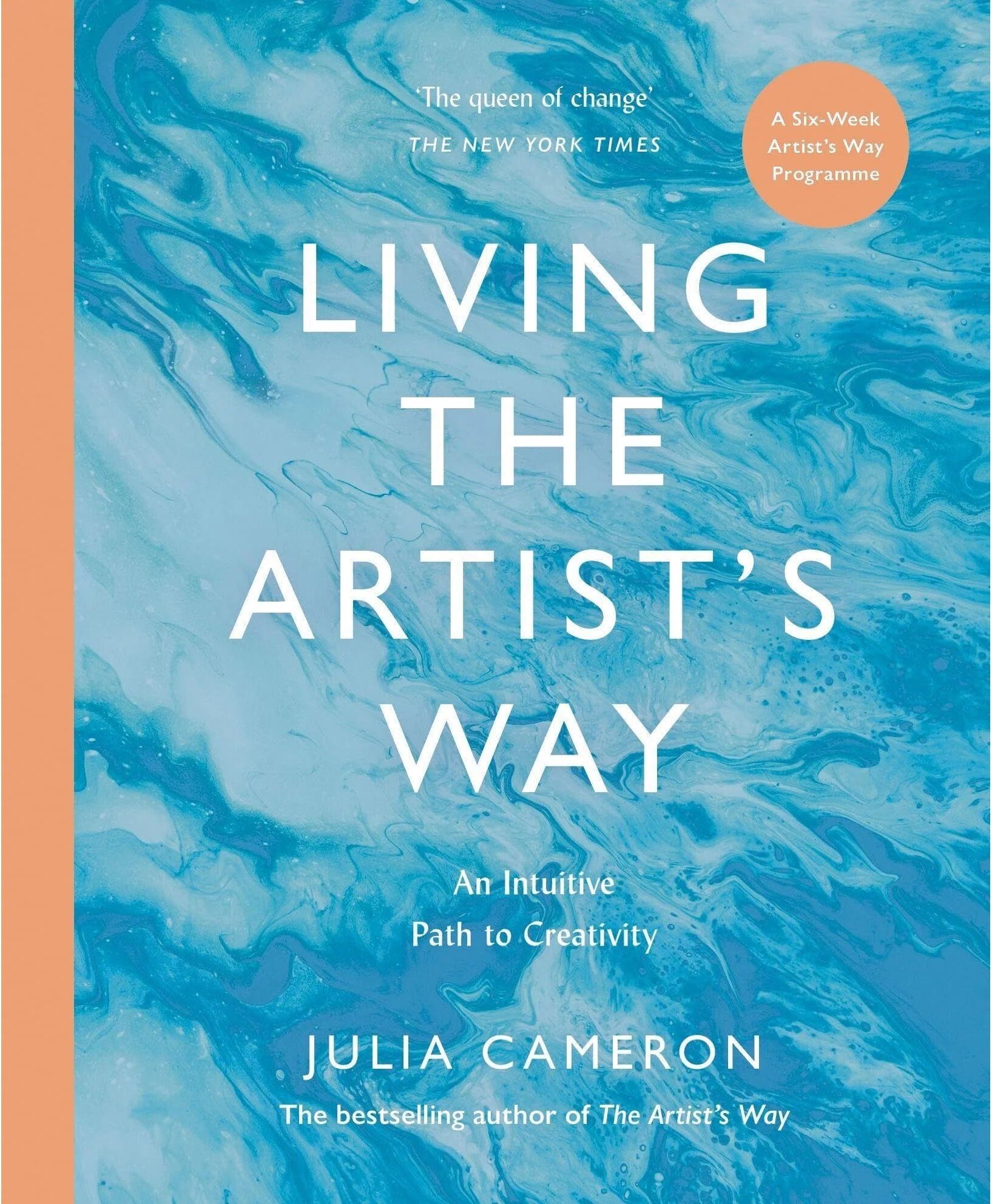
Souvenir Press Living the Artist's Way: An Intuitive Path to Creativity by Julia Cameron - Paperback Self-Help Book on Creativity & GuidanceDiscover Julia Cameron's intuitive path to creativity with Living the Artist's Way, a practical companion for anyone seeking to deepen their creative recovery and quieten self-doubt. This brand new paperback from Souvenir Press invites readers into a deeply personal exploration of how guidance, both spiritual and intuitive, can transform the creative life. Cameron's signature practices, including Morning Pages, Artist Dates, and Walks, are built upon in this six-week programme, introducing readers to Writing for Guidance as a fourth core discipline. A warm and supportive guide for anyone looking to reconnect with their creativity and overcome self-doubt, Living the Artist's Way is a must-read for anyone on a journey of creative discovery.9,99 £*Shipping: 2,99 £Secure redirect to the provider



-
Why is aggression a evaluative disposition?
Aggression is considered an evaluative disposition because it involves making judgments about a situation or individual that lead to a hostile or violent response. When someone acts aggressively, they are evaluating the perceived threat or provocation and determining that a forceful reaction is necessary. This evaluation is often influenced by factors such as past experiences, beliefs, and emotions. Ultimately, aggression is a complex behavior that reflects an individual's assessment of a situation and their decision to respond in a certain way. **
-
Would you consider the following sentence as evaluative?
Without knowing the specific sentence in question, it is difficult to determine whether it is evaluative. An evaluative sentence typically expresses a judgment or opinion about something, rather than just stating a fact. If the sentence in question includes an opinion or judgment, then it could be considered evaluative. However, if it simply presents a factual statement without any subjective assessment, then it would not be evaluative. **
-
Do journalists have to use evaluative and emotional terms?
Journalists do not have to use evaluative and emotional terms in their reporting. In fact, many journalistic standards emphasize the importance of objectivity and neutrality in reporting. Using evaluative and emotional terms can introduce bias and subjectivity into the reporting, which goes against the principles of ethical journalism. Instead, journalists are encouraged to use factual and descriptive language to present information in a fair and balanced manner. **
-
What are the differences between normative, descriptive, and evaluative linguistics?
Normative linguistics focuses on prescribing rules and standards for language use, often based on traditional grammar and usage. Descriptive linguistics, on the other hand, aims to objectively describe and analyze how language is actually used by speakers and how it functions in different contexts. Evaluative linguistics involves making judgments about language use and its effectiveness, often considering factors such as clarity, appropriateness, and impact. While normative linguistics sets rules, descriptive linguistics observes language use, and evaluative linguistics assesses language in use. **

What is the correct way to phrase a non-evaluative grade on a report card?
A non-evaluative grade on a report card should be phrased in a way that communicates the student's progress without making a judgment or evaluation. For example, instead of using words like "excellent" or "poor," non-evaluative phrases could include "meeting expectations," "progressing steadily," or "working towards mastery." This type of language focuses on the student's growth and development rather than passing judgment on their abilities. **
What is the difference between a commenting and a evaluative narrator? Do you have any examples?
A commenting narrator provides observations and commentary on the events and characters in the story, without explicitly passing judgment. On the other hand, an evaluative narrator offers opinions and judgments about the characters and events. An example of a commenting narrator can be found in J.D. Salinger's "The Catcher in the Rye," where the protagonist, Holden Caulfield, provides commentary on the people and situations he encounters without explicitly evaluating them. In contrast, an evaluative narrator can be found in F. Scott Fitzgerald's "The Great Gatsby," where the narrator, Nick Carraway, offers his opinions and judgments about the characters and their actions. **
Top-Angebote
Products related to Evaluative:
-
Pan Make Brilliant Work: Lessons on Creativity, Innovation and Success by Rod Judkins - Paperback - Self-Help/Business Creativity Guide, Author ofMake Brilliant Work is an inspiring guide by Rod Judkins, drawing on the real-life stories of visionaries from Frida Kahlo to Steve Jobs. This paperback book reveals the methods and mindsets that turn ordinary effort into extraordinary results. Judkins proves that talent alone never guaranteed success — persistence, risk-taking and original thinking did. A motivating read for anyone wanting to unlock their creative potential at work or in life. The book profiles figures who failed at school, were told they lacked talent, or were fired more than once, yet went on to achieve great things. Written by Rod Judkins, published by Pan Macmillan, this book is a reassuring truth: you don't have to be naturally brilliant to produce brilliant work.2,99 £*Shipping: 2,99 £Secure redirect to the provider
-
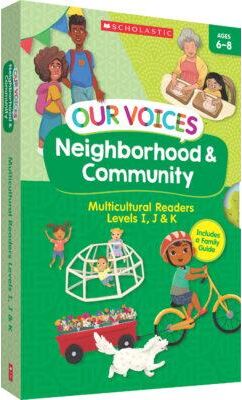
Our Voices: Neighborhood & Community Boxed SetFoster a feeling of belonging while building key reading skills with these colorful storybooks that spotlight a variety of neighborhoods and communities. The 10 charming stories feature characters from different cultural backgrounds who learn about...32,37 $*Shipping: 0,00 $Secure redirect to the provider
-
Aster Live Well Every Day by Dr Alex George - No.1 Sunday Times Bestselling Paperback Wellness Guide - Daily Habits for Health, Energy & Resilience - AgesDiscover a practical guide to building healthier daily habits with Dr Alex George's 'Live Well Every Day'. This No.1 Sunday Times bestselling book provides a personalized toolkit of habits to improve energy and wellbeing. Written by a physician and former UK Youth Mental Health Ambassador, it covers nutrition, movement, sleep, and mindset. Dr Alex encourages readers to make small, sustainable changes to their daily routine, rather than following a rigid plan. By focusing on steady, cumulative improvements, you can take control of your health and wellbeing. This paperback book is a valuable resource for anyone looking to make positive changes to their lifestyle.6,99 £*Shipping: 2,99 £Secure redirect to the provider
-
Is this a evaluative term?
Yes, "evaluative term" is an evaluative term itself. Evaluative terms are words or phrases that express a judgment or opinion about something, and in this case, the term "evaluative term" is evaluating the nature of a particular term. **
-
What is an evaluative text?
An evaluative text is a type of writing that presents an opinion or judgment about a particular subject, such as a book, movie, product, or event. It typically includes an analysis of the subject's strengths and weaknesses, as well as a recommendation or conclusion based on the evaluation. Evaluative texts often use criteria to assess the subject and provide evidence to support the writer's judgment. These texts can take the form of reviews, critiques, or assessments, and are commonly found in journalism, academic writing, and online platforms. **
-
Why is aggression a evaluative disposition?
Aggression is considered an evaluative disposition because it involves making judgments about a situation or individual that lead to a hostile or violent response. When someone acts aggressively, they are evaluating the perceived threat or provocation and determining that a forceful reaction is necessary. This evaluation is often influenced by factors such as past experiences, beliefs, and emotions. Ultimately, aggression is a complex behavior that reflects an individual's assessment of a situation and their decision to respond in a certain way. **
-
Would you consider the following sentence as evaluative?
Without knowing the specific sentence in question, it is difficult to determine whether it is evaluative. An evaluative sentence typically expresses a judgment or opinion about something, rather than just stating a fact. If the sentence in question includes an opinion or judgment, then it could be considered evaluative. However, if it simply presents a factual statement without any subjective assessment, then it would not be evaluative. **
Similar search terms for Evaluative
-
HARPERCOLLINS Creative Confidence by Tom & David Kelley – Unleashing Your Creative Potential & Innovation MindsetA powerful and inspiring book from the founders of IDEO, the award-winning design firm, on unleashing the creativity that lies within each and every one of us. Too often, companies and individuals assume that creativity and innovation are the domain of the ‘creative types’. But two of the foremost experts in innovation, design and creativity on the planet show us that each and every one of us is creative. In an entertaining and inspiring narrative that draws on countless stories from their work at IDEO, and with many of the world's top companies and design firms, David and Tom Kelley identify the principles and strategies that will allow us to tap into our creative potential in our work lives, and in our personal lives, allow us to think outside the box in terms of how we approach and solve problems. ‘Creative Confidence’ is a book that will help each of us be more productive and successful in our lives and in our careers.4,95 £*Shipping: 1,99 £Secure redirect to the provider
-
Souvenir Press Living the Artist's Way: An Intuitive Path to Creativity by Julia Cameron - Paperback Self-Help Book on Creativity & GuidanceDiscover Julia Cameron's intuitive path to creativity with Living the Artist's Way, a practical companion for anyone seeking to deepen their creative recovery and quieten self-doubt. This brand new paperback from Souvenir Press invites readers into a deeply personal exploration of how guidance, both spiritual and intuitive, can transform the creative life. Cameron's signature practices, including Morning Pages, Artist Dates, and Walks, are built upon in this six-week programme, introducing readers to Writing for Guidance as a fourth core discipline. A warm and supportive guide for anyone looking to reconnect with their creativity and overcome self-doubt, Living the Artist's Way is a must-read for anyone on a journey of creative discovery.9,99 £*Shipping: 2,99 £Secure redirect to the provider
-
La Prairie Skin Caviar Essence-In-Lotion moisturising serum with rejuvenating effect innovation 150 mlLa Prairie Skin Caviar Essence-In-Lotion, 150 ml, Skin Serums for Women, Does it feel as though your skin needs something more than just the care provided by a cream? The La Prairie Skin Caviar Essence-In-Lotion facial serum is the perfect product to enrich your skincare routine – it pampers the skin and delivers an intensive treatment. With its high concentration of active ingredients, the effect it has on your skin is far more pronounced and faster than with a face cream. Its liquid consistency makes application easier, as it is absorbed into the skin very well. Characteristics: restores skin elasticity hydrates and nourishes effectively199,75 £*Shipping: 3,99 £Secure redirect to the provider
-
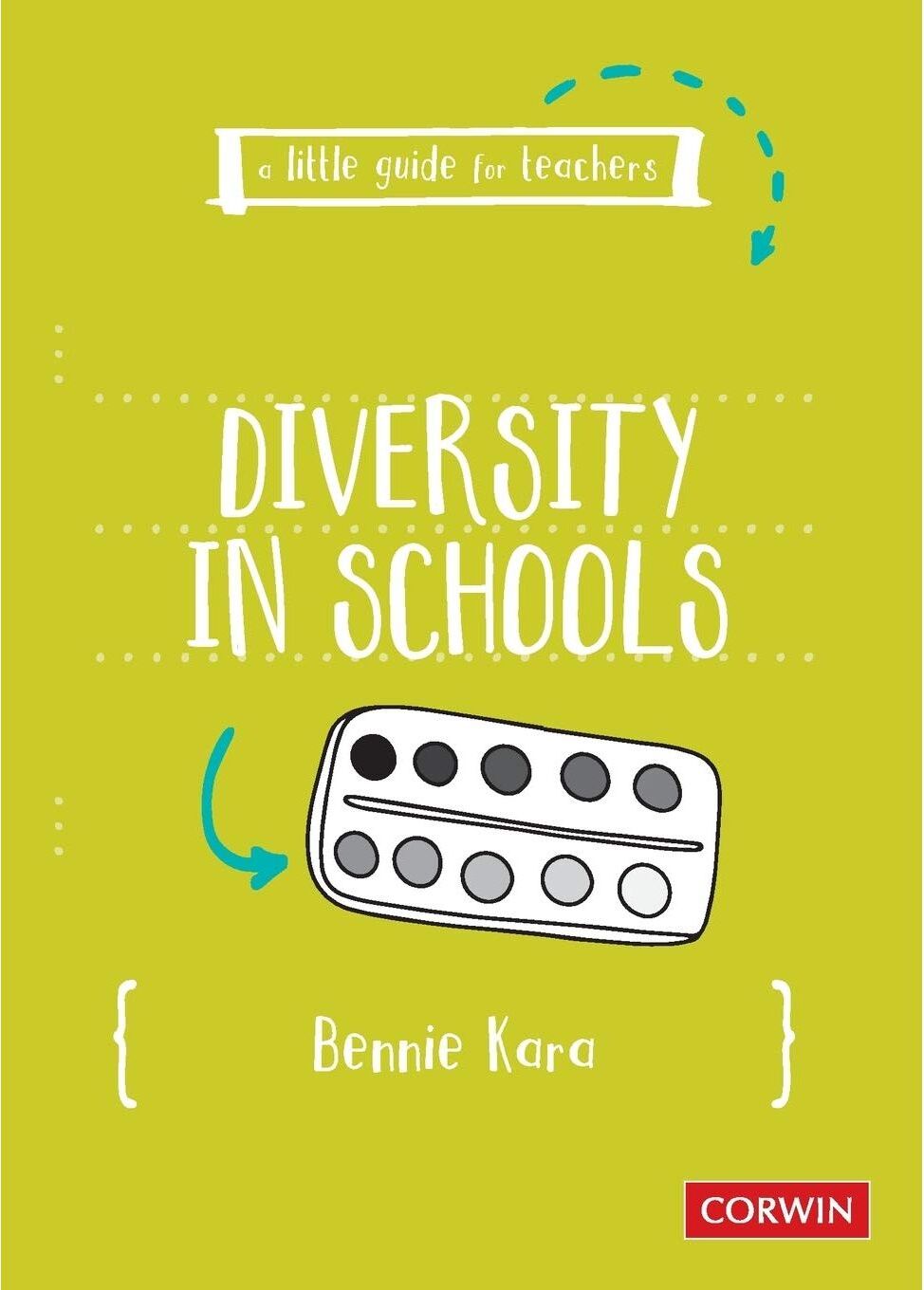
SAGE Publications A Little Guide for Teachers: Diversity in Schools (A Little Guide for Teachers)A Little Guide for Teachers: Diversity in Schools aims to provide starting points for teachers and leaders in creating a curriculum, either across disciplines or within subjects, that is as deep and diverse as their students. The Little Guide for Teachers series is little in size but BIG on all the support and inspiration you need to navigate your day to day life as a teacher. · Authored by experts in the field · Easy to dip in-and-out of · Interactive activities encourage you to write into the book and make it your own · Fun engaging illustrations throughout · Read in an afternoon or take as long as you like with it!12,99 £*Shipping: 2,99 £Secure redirect to the provider
-
Do journalists have to use evaluative and emotional terms?
Journalists do not have to use evaluative and emotional terms in their reporting. In fact, many journalistic standards emphasize the importance of objectivity and neutrality in reporting. Using evaluative and emotional terms can introduce bias and subjectivity into the reporting, which goes against the principles of ethical journalism. Instead, journalists are encouraged to use factual and descriptive language to present information in a fair and balanced manner. **
-
What are the differences between normative, descriptive, and evaluative linguistics?
Normative linguistics focuses on prescribing rules and standards for language use, often based on traditional grammar and usage. Descriptive linguistics, on the other hand, aims to objectively describe and analyze how language is actually used by speakers and how it functions in different contexts. Evaluative linguistics involves making judgments about language use and its effectiveness, often considering factors such as clarity, appropriateness, and impact. While normative linguistics sets rules, descriptive linguistics observes language use, and evaluative linguistics assesses language in use. **
-
What is the correct way to phrase a non-evaluative grade on a report card?
A non-evaluative grade on a report card should be phrased in a way that communicates the student's progress without making a judgment or evaluation. For example, instead of using words like "excellent" or "poor," non-evaluative phrases could include "meeting expectations," "progressing steadily," or "working towards mastery." This type of language focuses on the student's growth and development rather than passing judgment on their abilities. **
-
What is the difference between a commenting and a evaluative narrator? Do you have any examples?
A commenting narrator provides observations and commentary on the events and characters in the story, without explicitly passing judgment. On the other hand, an evaluative narrator offers opinions and judgments about the characters and events. An example of a commenting narrator can be found in J.D. Salinger's "The Catcher in the Rye," where the protagonist, Holden Caulfield, provides commentary on the people and situations he encounters without explicitly evaluating them. In contrast, an evaluative narrator can be found in F. Scott Fitzgerald's "The Great Gatsby," where the narrator, Nick Carraway, offers his opinions and judgments about the characters and their actions. **
* All prices are inclusive of VAT and, if applicable, plus shipping costs. The offer information is based on the details provided by the respective shop and is updated through automated processes. Real-time updates do not occur, so deviations can occur in individual cases. ** Note: Parts of this content were created by AI.